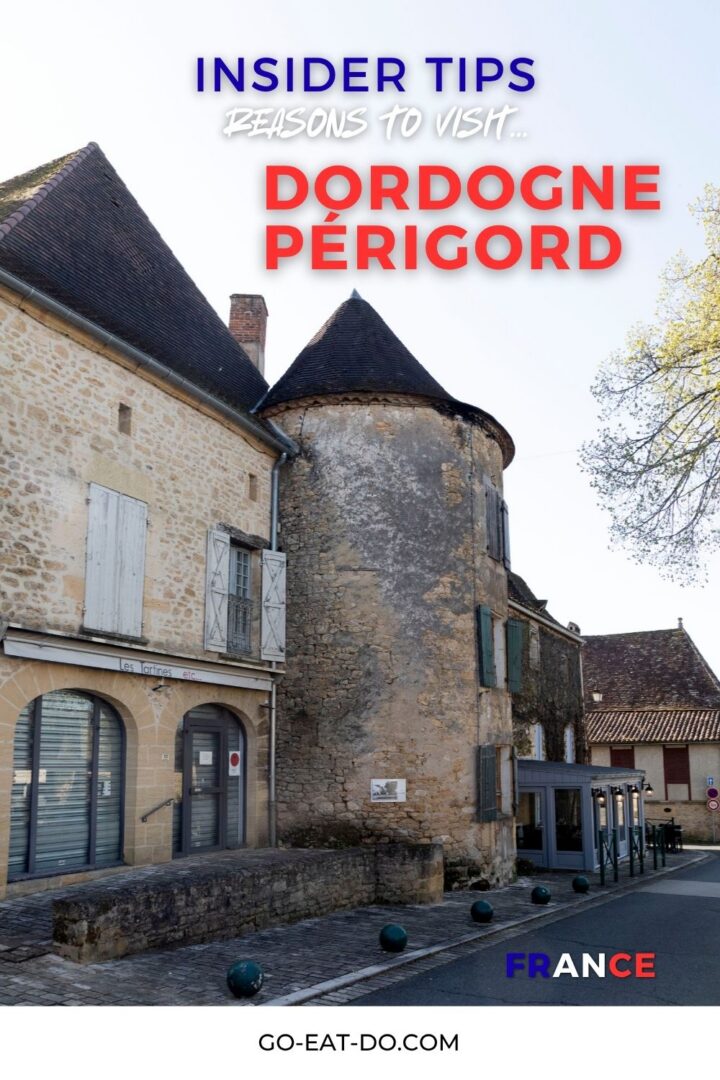
Stuart Forster interviews Christophe Gravier, Director of Dordogne Périgord Tourism, about reasons to visit Dordogne Périgord.
Christophe describes the area of France that he represents as a “timeless sanctuary of beauty, taste and history”.
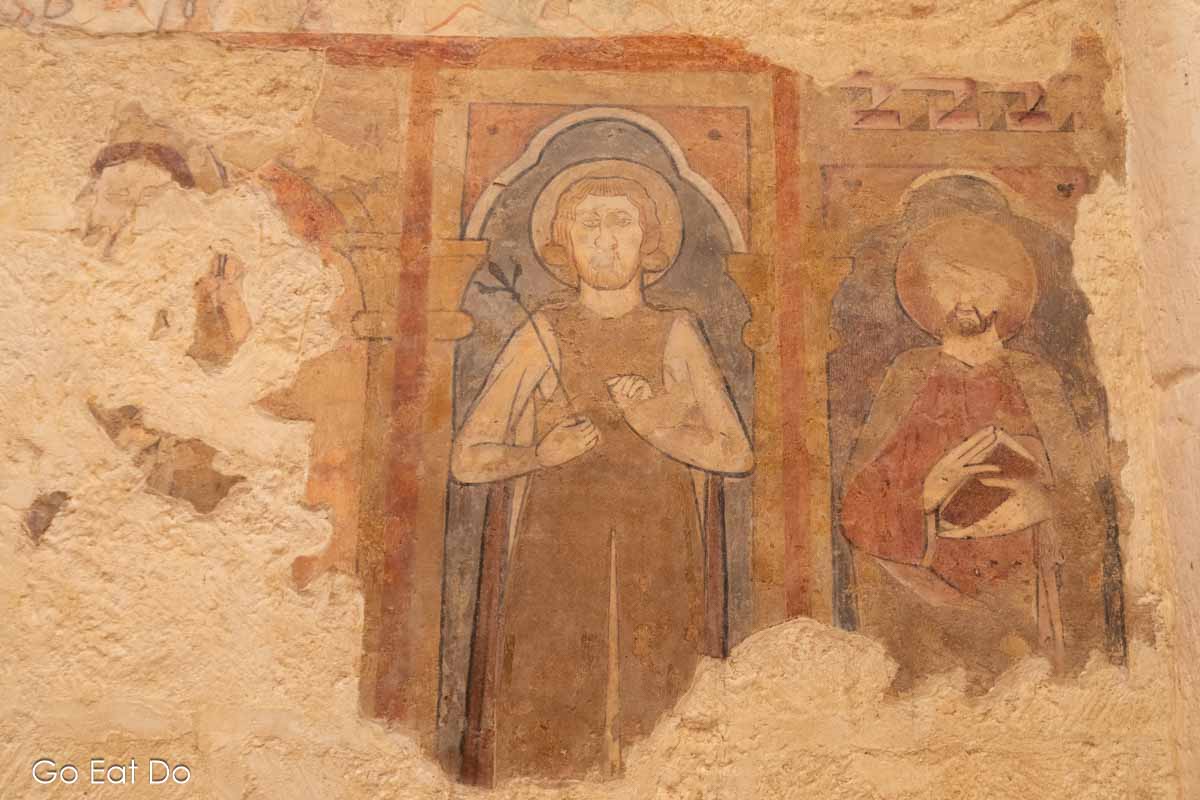
Having visited recently, I’m inclined to agree. The region is dotted with castles and I enjoyed staying in one of them. Notable dining experiences included tucking into regional specialities in the Michelin-starred restaurant at Le Vieux Logis in Trémolat, a village whose Saint Nicolas church features 14th-century frescoes.
Dordogne Périgord can be the focus of a trip in its own right or easily combined with visiting the neighbouring departments of Lot, Corrèze and Dordogne – all of which are also within the Dordogne Valley. For example, gazing towards the historic, cliffside village of Rocamadour—bathed in spring sunlight while snaking down a hillside road in a car— proved a moment of monumental beauty. So too did viewing the illuminated Grande Pendeloque, a stalactite over 60 metres in length, beneath the gaping chasm known as the Gouffre de Padirac.
Yet reasons to visit Dordogne Périgord are the focus of the interview-based feature which follows, with Christophe supplying insights.
Interview with Christophe Gravier
What makes Dordogne Périgord unique?
If France brings together the romance of the Loire, the gastronomy of Lyon and the pastoral charm of Tuscany, then the Dordogne—this department in Nouvelle-Aquitaine, also known as Périgord—distils the very best of them all.
Here, 300,000 years of human history unfold seamlessly: from prehistoric cave art to medieval fortresses and the elegance of the Renaissance. The destination is one of France’s richest departments in terms of listed historical sites after Paris, spanning almost every major architectural period. No fewer than 200 remarkable sites are open to visitors. Between castles, hanging gardens, caves, and cliffside villages, Dordogne Périgord offers a density of heritage that is rare in Europe.
At the very origins of history lies the Vézère Valley. Known as the ‘Valley of Man’, it is home to 15 prehistoric locations listed as UNESCO World Heritage Sites, including the world-famous Lascaux Cave. A true open-air history book, the region is dotted with imposing medieval fortifications and Renaissance residences – legend has it there are 1,001 of them.
The landscape would not be complete without its many medieval villages and three beautifully restored ‘Towns of Art and History’: Périgueux, Bergerac and Sarlat-la-Canéda, all set within ever-present, unspoilt nature.
Far from the polished glamour of the French Riviera or the urban intensity of Paris, Dordogne Périgord offers something deeper: a slow, sensory immersion into the French art of living.
For travellers drawn to history, gastronomy and understated luxury, the Dordogne is not an alternative to other French regions – it is their essence, elevated.
Reasons to revisit Dordogne Périgord
The secret of Dordogne Périgord’s lasting appeal lies in its diversity. There are four Périgords, four identities and four invitations to explore.
Périgord Noir features golden-stone villages, dramatic cliffs and iconic sites such as Lascaux.
Lush countryside, perfect for switching off, is a key element of Périgord Vert.
Périgord Pourpre can be discovered in the vineyard landscapes around Bergerac.
Luminous limestone plateaus and elegant towns are part of Périgord Blanc.
Each visit reveals a new rhythm, an unexpected flavour, a hidden market or a riverside picnic spot.
But beyond the scenery, what truly brings people back is something essential: the feeling of stepping out of time. Here, life slows down: you savour, you connect, you simply live.
Events in Dordogne Périgord
Rooted in its history, Dordogne Périgord is nonetheless vibrantly alive, driven by a rich cultural programme.
In 2026, the spotlight turns to the region with the Tour de France. On 11 July, Le Tour’s eighth stage starts in Périgueux and ends in Bergerac.
Châteaux en Fête is a unique immersion into some of the region’s finest estates. It is held annually in April.
Bastides en Fête sees vibrant celebrations in historic bastide towns [those are medieval settlements built on a grid pattern with imposing defensive architecture]. The annual event is held in October. In 2026, it will be on 24-26 October.
The Semaine des Chefs showcases local culinary excellence. 2026’s edition will be held in October.
There are many opportunities to be inspired and amazed.
What to bring home from Dordogne Périgord
Dordogne Périgord is one of France’s great gastronomic heartlands. Among its treasures are:
- The Périgord black truffle, known as ‘black gold’.
- Walnut oil, which is delicate and aromatic.
- Foie gras and Périgord lamb.
- Bergerac and Monbazillac wines, which range from dry to lusciously sweet.
- A tin of caviar – unexpected yet refined.
For a lasting souvenir, choose a Nontron knife, the oldest knife in France, or the distinctive Trappe d’Échourgnac, a cheese that is delicately washed in walnut liqueur.
Each product reflects a terroir, a craft and a story.
Dordogne Périgord insider tips
To truly grasp the essence of Dordogne Périgord, one must go beyond the obvious.
Here are a few personal recommendations:
- The captivating village of La Madeleine, clinging to the cliffside.
- Exploring the renowned markets of Issigeac, Ribérac, Thiviers, Sarlat and Périgueux.
- The refined greenery of the Jardins d’Eyrignac and the panoramic poetry of the Jardins de Marqueyssac.
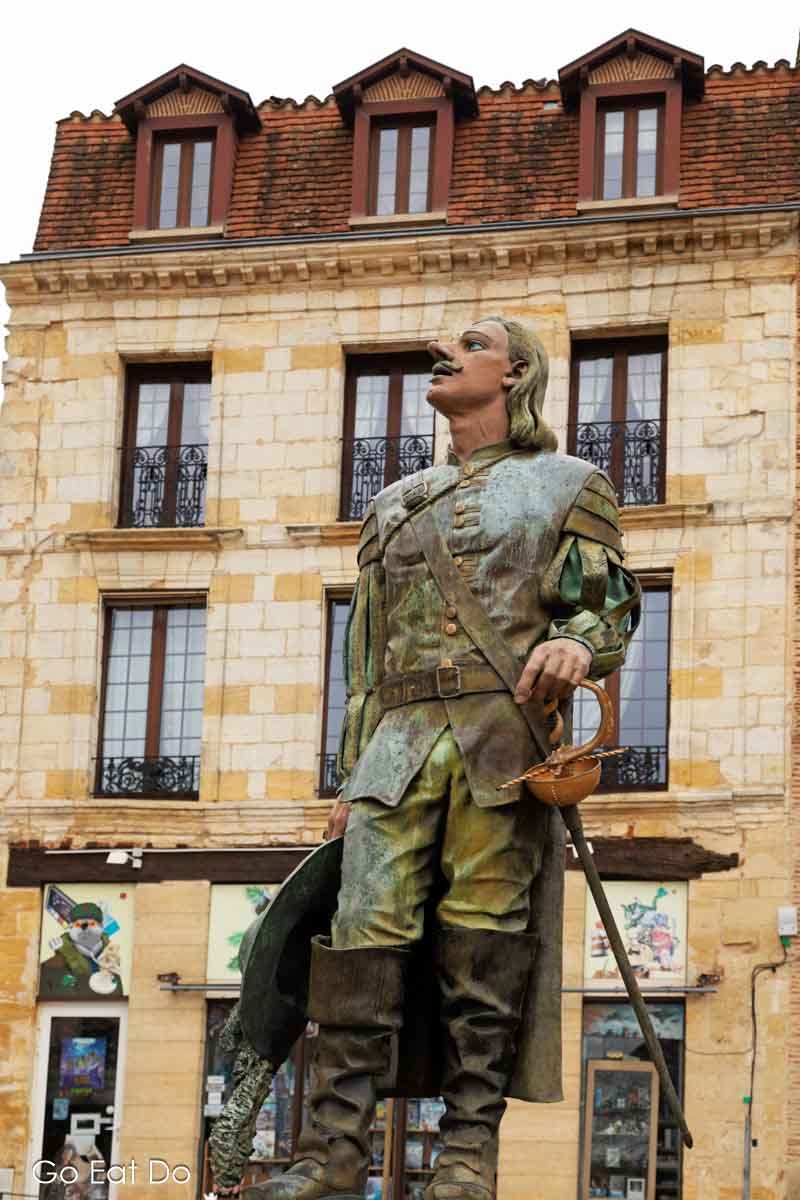
- Enjoying a glass of Bergerac wine on the terrace of Quai Cyrano or in Monbazillac Château on a summer evening at sunset.
- The immersive experience of Lascaux IV.
- Wandering through the villages of Brantôme-en-Périgord, Domme and Monpazier, where craftsmanship meets timeless beauty.
- The elegance of the Château de Losse and the mystery of the Château de Puymartin.
- Stepping back into memory at the Espace Robert Doisneau.
- And above all, drifting down the Dordogne or Auvézère rivers by canoe, between cliffs and castles, carried by the gentle rhythm of the water.
Dordogne Périgord is a journey into emotion and taste. It does not seek to impress. It reveals itself as a land to experience, to savour. Therein lies its greatest form of luxury.
Reasons to visit Dordogne Périgord
“The Dordogne is a hidden gem: a concentration of the very best France has to offer – castles, gardens, prehistoric treasures and world-class gastronomy – where every landscape tells a story and every meal becomes a memory.” – Christophe Gravier, Director of Dordogne Périgord Tourism.
Map of Dordogne Périgord
Zoom into the map below to find locations mentioned by Christophe in the interview:
Travel to the Dordogne Périgord region
High-speed trains operate between the Paris Montparnasse and Bordeaux Saint-Jean stations. Regional trains then connect destinations including Bergerac, Le Buisson and Sarlat.
Ryanair operates flights to Bergerac from Bournemouth, Bristol, East Midlands, Edinburgh and London Stansted airports. It also flies to Limoges from Bristol, East Midlands, Leeds-Bradford, London Stansted and Manchester.
British Airways operates summer flights between London City and Bergerac.
Driving between Paris and Bergerac via the A20 takes approximately six hours in normal traffic conditions.
Dordogne Périgord hotels
Find accommodation in the Dordogne Périgord region using the map below:
Books about Dordogne Périgord
Interested in visiting France’s Dordogne Périgord? You can buy the following books from Amazon:
Cicerone’s Walking in the Dordogne: 35 walking routes in the Dordogne – Bergerac, Lalinde, Sarlat and Souillac.
The Rough Guide to Dordogne and the Lot.
A Very French Wedding by Maeve Haran.
Death in the Dordogne by Martin Walker.
Dinah Jefferies’ Daughters of War.
Also, Cyrano de Bergerac by Edmond Rostand may be of interest.
Further information
Find more things to do in the Dordogne Périgord region by visiting the Périgord Dordogne Tourism website.
Thank you for visiting Go Eat Do and reading this interview with Christophe Gravier, Director of Dordogne Périgord Tourism, about reasons to visit Dordogne Périgord. If you enjoyed this post and are looking for inspiration for European travel, check out Go Eat Do’s post on sporting events, hiking and reasons to visit the Algarve.
The author of the post is Stuart Forster, a travel writer shortlisted in the Business Award category of the Spain Talks 2026 awards.
If you enjoyed this post, please sign up for the free Go Eat Do newsletter. It’s a hassle-free way of getting links to posts once a month.
‘Like’ the Go Eat Do Facebook page to see more photos and content.