Stuart Forster talks to Stacy Ritter about tourism in Greater Fort Lauderdale, Florida. The interview covers what Fort Lauderdale offers tourists, the best time of year to visit, new attractions and more.
Disclosure: Some of the links below and banners are affiliate links, meaning, at no additional cost to you, I will earn a commission if you click through and make a purchase.
Stacy Ritter is the President and Chief Executive Officer of Greater Fort Lauderdale Convention and Visitors Bureau (GFLCVB). She knows the region well, having moved to Fort Lauderdale as a 14-year-old in 1974.
In this interview, Stacy (SR) discusses key attractions in the Florida destination that is nicknamed ‘the Venice of America’.

Fort Lauderdale’s evolution
Stuart Forster (SF): How has the city evolved as a tourism destination?
Stacy Ritter (SR): When I moved here, Fort Lauderdale was very white, male-dominated and conservative. It has evolved into a community where we speak over 150 languages; we’ve got 140 nations represented by the people who live here.
It’s culturally diverse. A third of the population identifies as African- or Caribbean-American, a third is Hispanic and a third is white. So it’s a majority-minority county and a very progressive place to live politically and culturally.
It’s very forward-thinking, and we’ve moved from what was a very seasonal destination to a year-round destination.
When to visit Fort Lauderdale
SF: When do you recommend people visit?
SR: It depends on what you want that experience to be. Some people like heat and I wouldn’t live here if I didn’t like hot weather year-round. For a more value-oriented experience, we are less expensive in the summertime because it is slower then.
Our season picks up right around the Fort Lauderdale International Boat Show, which is the end of October [28 October 28 – 1 November 1, 2026], and runs through the middle of April. Those are the more expensive and busier times.
For me, the beach is great 365 days a year.
Fort Lauderdale visitors
SF: Is there a typical Fort Lauderdale tourist?
SR: For many decades, we focused on domestic inbound as opposed to international arrivals. Canada and Mexico are our main inbound markets, but we have become well known in Europe, particularly in the United Kingdom.
Our average tourist, if there is such a thing, is someone who loves the sun, loves the beach and loves warm weather.
Fort Lauderdale-Hollywood International Airport continues to grow and bring in new flights, and the demise of Spirit Airlines presents opportunities for other airlines.
Things have changed dramatically. We used to be a chicken fingers and French fries destination – chips, as you guys say! We have expanded our culinary options. We’re now recognised by the Michelin Guide and eating out has become huge.
Real estate is less expensive here than it is in Miami. We are north of Miami and a lot of chefs and restaurateurs are moving up here and opening restaurants because six million people live in the tri-county area – between Miami-Dade, Broward and Palm Beach.
With the Brightline, it’s an easy hop to get here from West Palm Beach, Miami and Boca Raton.
Attractions in Fort Lauderdale
SF: What is the area’s key draw to UK travellers?
SR: The beach is definitely the number one attraction; always has been and most likely always will be.
We have 24 miles of beautiful beaches and eight cities; they each have their own distinct vibes. Deerfield Beach and Pompano Beach, to the north of us, have a laid-back vibe. Fort Lauderdale has high-rises, luxury hotels and vibrancy. Hollywood, to the south of Fort Lauderdale, is a little kitschy with a ‘50s vibe and a broadwalk by the beach.
I find visitors always love the Everglades, which is what Florida used to look like. People love to see alligators up close. When you live here, you see them in your own backyard.
You can travel by water anywhere you need to go. Uniquely, people can go from place to place via water on the Intracoastal Waterway. With dock and dine, visitors barely have to set foot on land, except to eat or go shopping.
We are a water culture. You do not have to snorkel, scuba or surf. But if you like water and the feeling that water gives you – which for me is peace and calm – then this is the perfect place.
Things to do in Fort Lauderdale
SF: What personal recommendations can you offer visitors?
SR: There are a few off-the-beaten-path restaurants that I particularly love. Heritage is one of them and is now Michelin-recommended. It’s a tiny, locally owned Italian restaurant that serves truly spectacular food and has great service.
I love to shop. Sawgrass Mills is a great place to disappear to for an afternoon and has designer outlets.
One of my favourite new things is the Jellyfish Museum in Pompano Beach. It has 25 species of jellyfish and is one of those places where you can go to unwind.
Fort Lauderdale tourist attractions
SF: What’s new to Fort Lauderdale in 2026?
SR: The beauty of this destination is that every time you come, there’s always something different to see and experience, whether it’s a new hotel, restaurant or shop.
We have some new places that are opening up, including Caviar Club on Las Olas Boulevard – an upscale place to dine. Sweetwaters is a new waterfront restaurant overlooking the New River. The river is a different experience to the beach.
Other restaurant openings include Ember and Vine, Amal, serving Lebanese food and Pepe’s, serving Neapolitan Pizza.
We also have a neighbourhood called FAT Village, which is being revitalised. They’re building retail space, restaurants, public spaces, residences and it’s become more of a walking neighbourhood with things to do and see.
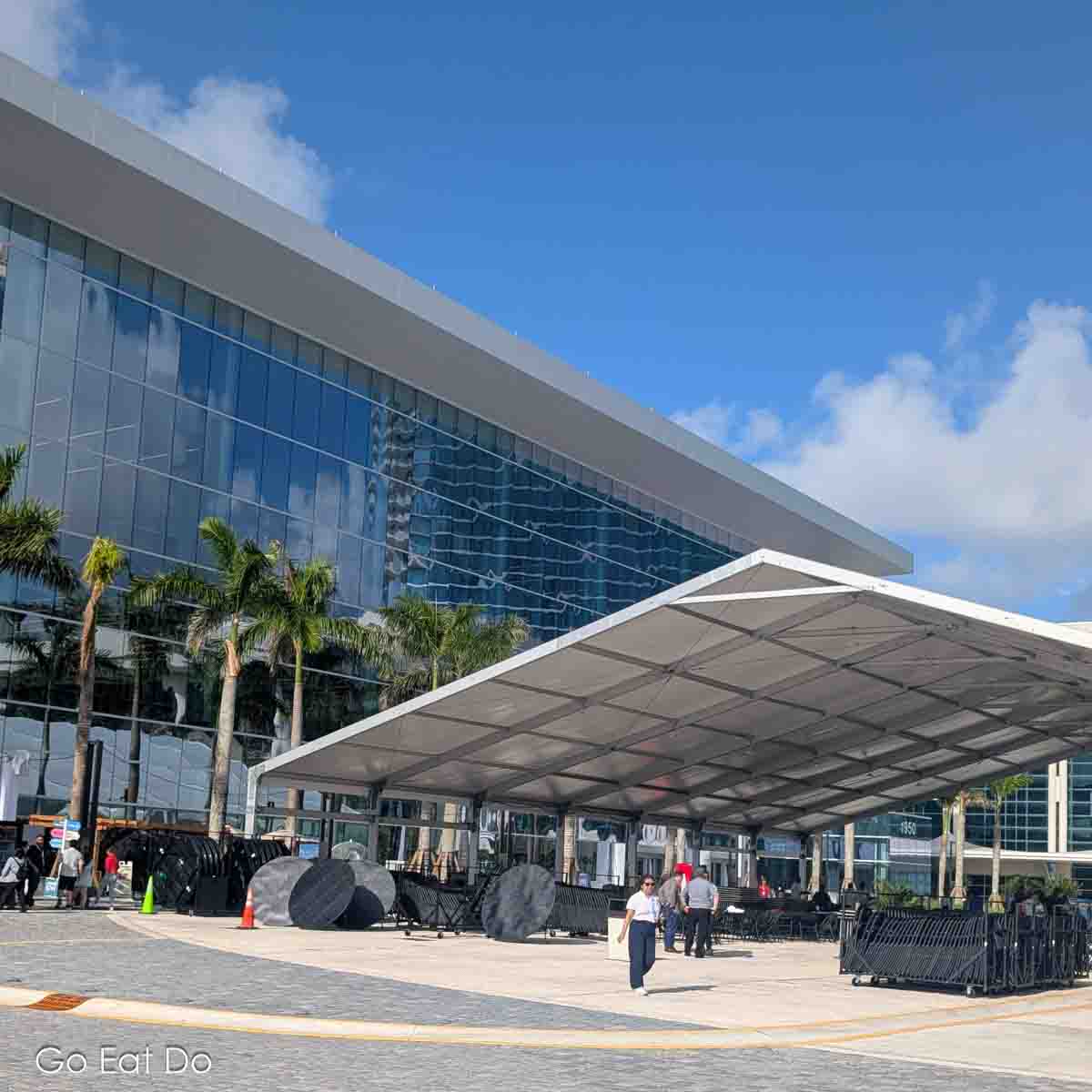
The Omni Fort Lauderdale is attached to the Broward County Convention Center. It opened a few months ago and it’s the first time we’ve had a hotel attached to the convention centre. It has 801 rooms and overlooks the Intracoastal Waterway.
Greater Fort Lauderdale
SF: What makes the area a special destination?
SR: I think that what makes us special are the people who live here and welcome visitors from all over the world. We want to experience the visitor and the visitor’s perspective as much as to give our local perspective. What I love the most about this place are the people who live here, who recognise the importance of tourism and travel.
SF: How do visitors get optimal value for money?
SR: I think timing is number one. The summertime and late fall is going to be less expensive: you get better value here than in high season. Everybody wants to come in January because it’s miserable almost everywhere else.
From August 1 to September 30, we do a restaurant promo, Dine Out Lauderdale. We have 150 restaurants signed up this year. They do special prix fixe menus for lunches and three-course dinners, which makes it less expensive to eat out.
Fort Lauderdale training
SF: How do travel agents learn more about Greater Fort Lauderdale?
SR: We have a programme called Lauderdale Loyalist, which is our destination training programme. It’s interactive for travel agents and tour operators. It’s a training and sales platform that we developed for advisors.
It gives destination tips and marketing tools, and helps sell Greater Fort Lauderdale – which has 31 cities – as a region. It will help travel agents understand the different regions and cities within Broward County, and it has exclusive VIP discounts.
Map of Fort Lauderdale
The map below shows the location of the city in south Florida. Zoom in for greater detail or out for more context:
Travel to Fort Lauderdale
Many travellers from North America fly directly to Fort Lauderdale-Hollywood International Airport. From the United Kingdom, American Airlines, British Airways and Virgin Atlantic operate flights between London Heathrow and Miami International Airport.
Hotels in Fort Lauderdale
While visiting the area, I stayed at the Signia by Hilton Diplomat Beach Resort in Hollywood, Florida.
Book hotels in Greater Fort Lauderdale using the map below:
Books about Fort Lauderdale
Planning to visit Fort Lauderdale, Florida? The following books are available via Amazon:
Fodor’s Travel South Florida guidebook includes coverage of the city.
The Girl Beneath the Sea by Andrew Mayne.
Savannah Breeze by Mary Kay Andrews.
Shop Till You Drop by Elaine Viets.
Useful travel information
The Visit Lauderdale website has information on things to do in Greater Fort Lauderdale.
Visit Florida has information about things to do and see across the state.
Further details
Thank you for visiting Go Eat Do and reading this interview with Stacy Ritter about what Fort Lauderdale offers visitors. Planning a trip to Florida? You may also appreciate this post about fun in the Everglades: an airboat ride near Fort Lauderdale.
Stuart Forster, the author of this post, was the recipient of the U.S. Travel Association’s 2026 IPW Travel Writer Award (trade).
If you enjoyed this post, please sign up for the free Go Eat Do newsletter. It’s a hassle-free way to get links to posts on a monthly basis.
‘Like’ the Go Eat Do Facebook page to see more photos and content.